The world of service and retail is changing, as are the tools used to power it. At the center of this evolution is the current POS point of sale system comprised of hardware and software that goes far beyond cash registers and receipts. The focus is no longer on collecting money. The customer experience at the point of sale is now all about operational intelligence and customer insights. It also involves seamless integration of all aspects of your company.
The Heart of POS Software: Beyond Transactions
Point of Sale POS software is a command center which can manage all transactions. It monitors inventory sold, monitors stock levels automatically and provides alerts whenever stocks of a product are at a low level. It also tracks sales history and customer preferences, turning each purchase into valuable information that will inform future purchasing and marketing decisions.
One of the least-known features of a good POS system is its capability to connect the dots between different departments. Some systems integrate time clocks utilized to calculate wages and schedule employees, instead of managing payroll separately. This means a more seamless process and less headaches for the administrator.
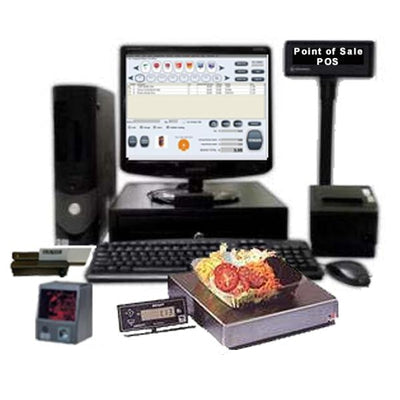
POS software today has the ability to sync data that is essential for companies with both physically located locations as well as an online presence. Store-based products can be synchronized with online inventory in real-time to avoid double-selling or mismatches. This is a crucial step because shopping trends are moving towards hybrid purchases in which customers browse online before picking up the item at the store.
Why Integration Matters More Than Ever
Integration is where the modern POS point of sale system truly shines. Gone are the days of managing multiple tools that do not “talk” to one another. A reliable POS platform can be defined by its capability to connect sales, inventory administration, staff management and accounting.
Think about the experience customers have. A quick scan at the point of purchase can show a customer s loyalty points and then apply discounts. Additionally, it will provide them with an electronic receipt. On the backend, the same sale updates the revenue totals along with stock availability and daily reports. This gives you a better shopping experience and minimizes the need for manual input and a chance of making mistakes.
Business owners and managers also find this information important. They can adapt their pricing strategies and respond to market trends quicker with accurate real-time data.
The Long-Term Benefits of Smart Investment
There’s a reason more businesses invest in POS solutions that provide tangible benefits. Not only in speed or precision, but also in their ability to support better decision-making and growth over the long term. An effective point-of-sale system will aid in reducing the time spent on operations and uncover patterns that you may have missed.
In addition, as expectations for consumers rise, a modern point of sale setup is an insignificant but essential part of the customer experience. Today, customers expect quick checkouts, accurate updates to stock and flexibility with online payments. Businesses that can meet these elements earn more trust and return visits.
Final Thoughts
Modern POS system is much more than a simple checkout tool it’s a bridge between your company, its products as well as your client. The ideal point of sale POS software can help you understand your business on a more profound level, offering an understanding of your business’s needs and efficiency in execution.
In a market that is competitive staying ahead requires being well-informed, agile and focused on the customer. When you have a smart and a well-integrated POS system on your side, you not only do you make sales, but you are also making something that will last.