Repetition is one of the most frustrating things that people face when they work with artificial intelligence. A great AI assistant may deliver a fantastic response one moment and then forget important context for the next conversation. The developers often make up for this by providing the same data such as project files, project files, or even documentation, to keep the conversation going.
This strategy is getting less effective as AI is more widespread in software. Intelligent systems require the ability to store relevant information as well as quickly retrieve and understand information’s changes over time. Memory is among the most crucial components of AI architecture today.
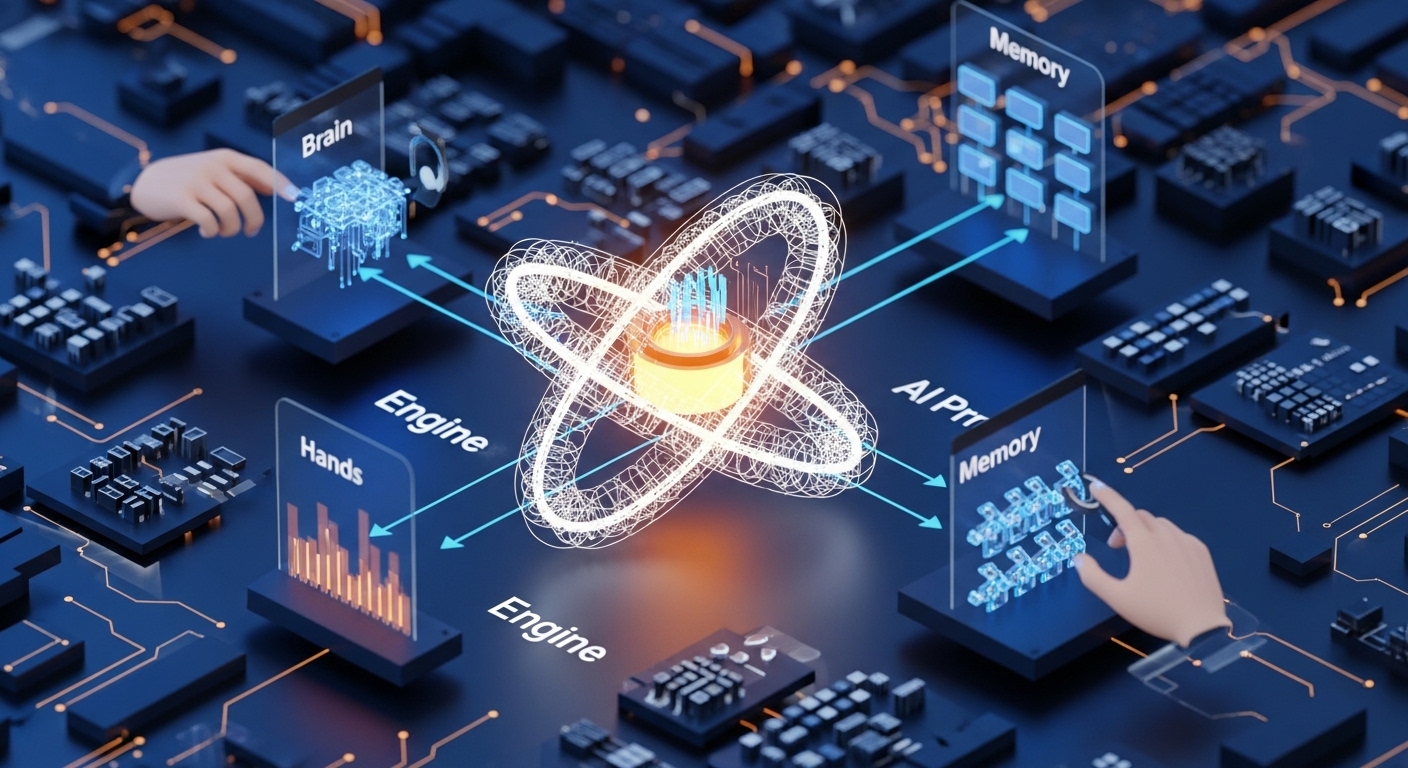
Memory turns AI from being reactive to becoming intelligent
An AI system that is able to remember previous work behaves very differently when compared to one that begins all over again. Persistent memory lets applications be able to understand ongoing projects, spot recurring patterns, and provide answers based on past context rather than isolated instructions.
Telys was created to help solve this challenge. It is not a cloud-based service, but an embedded AI agent memory that can store and retrieve information directly from the application. This design provides developers with a reliable method to preserve context and reduce unnecessary computations. The result is an AI experience that feels significantly more natural due to the fact that the software keeps track of what is important.
Localizing data improves speed and security
AI models cannot be judged by their ability to create text. For companies that are using AI, the speed of retrieval, the system’s responsiveness and data security are becoming equally crucial.
Using on-device memory for AI agents allows applications to retrieve relevant information without depending on constant communication with external servers. Because memory remains within the local environment, queries can be completed faster while organizations maintain greater control over sensitive information. This type of architecture is particularly useful for teams of engineers developing internal software, enterprise applications and privacy-sensitive apps where the data’s ownership is not at risk.
Memory is a powerful tool for developers that functions in the background
In order to build intelligent software, you shouldn’t need to manage an extensive infrastructure to keep the context. Software developers prefer to use tools that seamlessly integrate into workflows already in place and don’t require any additional overheads for operation.
A local MCP memory server makes that possible because it allows compatible AI development environments to access persistent memory directly within the local ecosystem. AI assistants are no longer required to repeatedly transfer data across remote APIs. Instead, they can access the data they require from a local memory layer. This method simplifies the time to complete the experience for developers working on big projects that are constantly evolving their codebases.
AI is only successful if it is built with the right context
Artificial intelligence is advancing beyond simple conversation to systems capable of planning and analyzing complex tasks on their own. Those systems require more than just powerful language models they require reliable memory that preserves knowledge across every interaction.
Telys is a sophisticated AI memory system which provides persistent local retrieval. It is designed for intelligent apps that need speed, reliability security, privacy, and speed. When combined with on-device memory to support AI agents and a fast local MCP memory server, Telys helps developers build software that keeps track of previous tasks, instantly retrieves the knowledge and improves as time passes.
The ability to think clearly and precisely is becoming more valuable as AI integrates into business operations. Telys’ AI application development tool helps developers build AI applications with more speed efficiency, intelligence, and effectiveness at work by providing intelligent systems a permanent context rather than a temporary conversation.