A quarter of American seniors grapple with diabetes, a condition that causes a multitude of problems. According to a worrying statistic, 10 to 15 percent individuals with diabetes are plagued with foot and leg ulcers. If not treated, these seemingly innocuous injuries could become more severe and cause foot ulcers that cause diabetic foot amputation. Foot ulcers account in excess of 80 percent of the amputations.
Diabetes management is a difficult issue that requires a holistic approach that goes beyond the control of glucose. This is why daily foot hygiene is a vital component in preventing the threat of complications related to diabetes.
Understanding the Landscape
The diabetes world and the complications it brings is a complicated one. The high incidence of leg and foot ulcers among people with diabetes highlights the need for heightened awareness and proactive care. The data is stark and it is clear that understanding these complexities will be crucial in fighting against amputations.
The Amputation Conundrum
The threat of amputations creates a shadow of amputation over people suffering from diabetes. This is a real-life experience that transcends the realm of the statistics. The path from a small foot ulcer to the prospect of amputations to the foot due to diabetes is a harrowing one, emphasizing the necessity of preventative steps.
Daily Foot Care: A Protection against Amputation
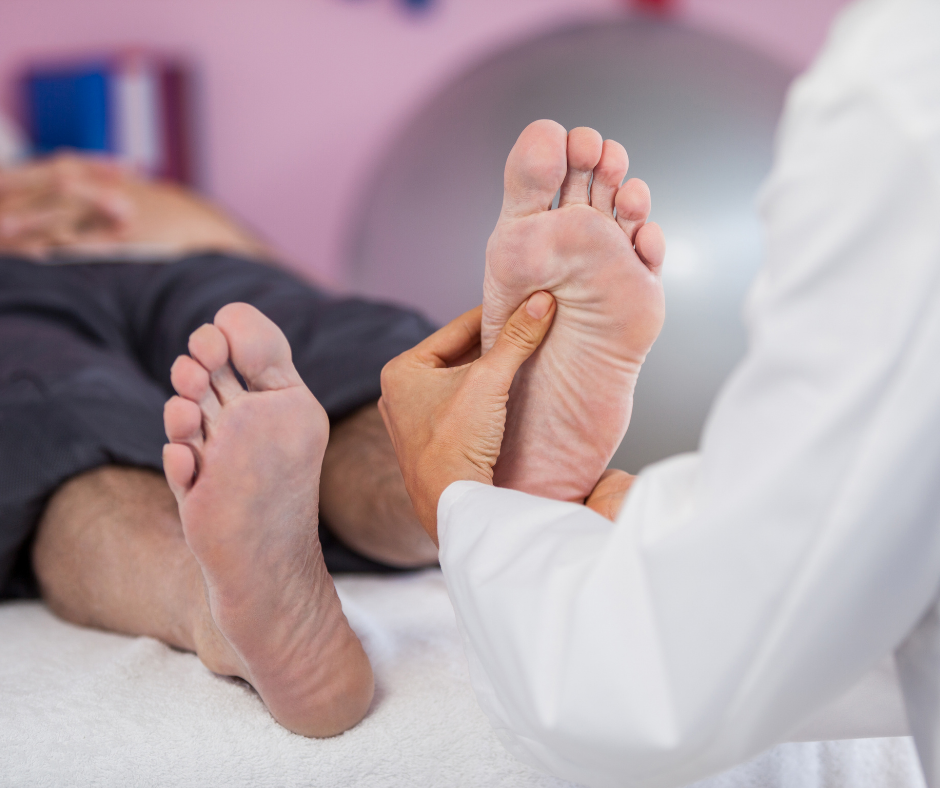
The foundation of diabetes amputation prevention lies in daily foot care. This isn’t only about keeping your feet clean; it’s a rigorous process that aims at the detection and treatment of potential issues prior to them escalating. Each step of this daily routine is strategic to fight the amputations caused by diabetes.
Vascular specialists: what is their role
Although vascular specialists don’t directly control diabetes their expertise is crucial in reducing the risks that are associated with the condition. Creating a healthy flow of blood to the lower extremities is an essential aspect of treatment and aims to ease pain in the legs and aiding in healing wounds. The purpose of this cooperative approach is to reduce the risk of diabetes-related amputations through mitigating the consequences.
Strategies for Amputation Prevention
To get through the dangers of amputation due to diabetes requires a mixture of sensibility, vigilance and professional intervention. It is important for people with diabetes to take an proactive attitude. Regular visits to healthcare professionals and vascular specialists can help detect diabetes early and help to intervene.
Leg Ulcers, Beyond The Triggers to Consider
Leg ulcers are often the first signs of more serious complications. They require care and knowledge. Knowing the triggers that lead to the development of leg ulcers is a crucial step. If the reason is due to poor circulation or neuropathy, or perhaps a combination of these factors, identifying their roots allows to make targeted treatments.
Education as empowerment
Giving people with diabetes knowledge about the risks and preventive measures is fundamental. Educational initiatives in healthcare settings and in the general community can help to bridge the knowledge gap. Understanding the potential consequences of seemingly unimportant wounds could prompt immediate responses which could help prevent the amputation of a diabetic foot.
Private Battles or Collective Triumphs
It’s not merely an individual struggle, but a resounding collective effort to fight the amputations caused by diabetes. Support networks offer platform to share experiences, learn from other and build coping skills. The emotional impact of the risk of amputation is enormous, and having a sense that you are part of a community can offer comfort and strength.
As a conclusion that the road of leg ulcers, diabetes and the looming amputation threat is multifaceted. The treatment of feet should be the first priority, but the vascular specialist’s expertise is crucial to stopping complications. Diabetes sufferers can lessen the chance of having to be amputations by raising awareness, implementing preventive measures, and establishing a support system.