Patent illustrations and drawings play a crucial role in the realm of intellectual property protection. They serve as a counterpoint to the words which form the basis of the patent system. The saying goes that “A image is worth more than a thousand words.” In this instance, a high-quality patent drawing is worth even more.
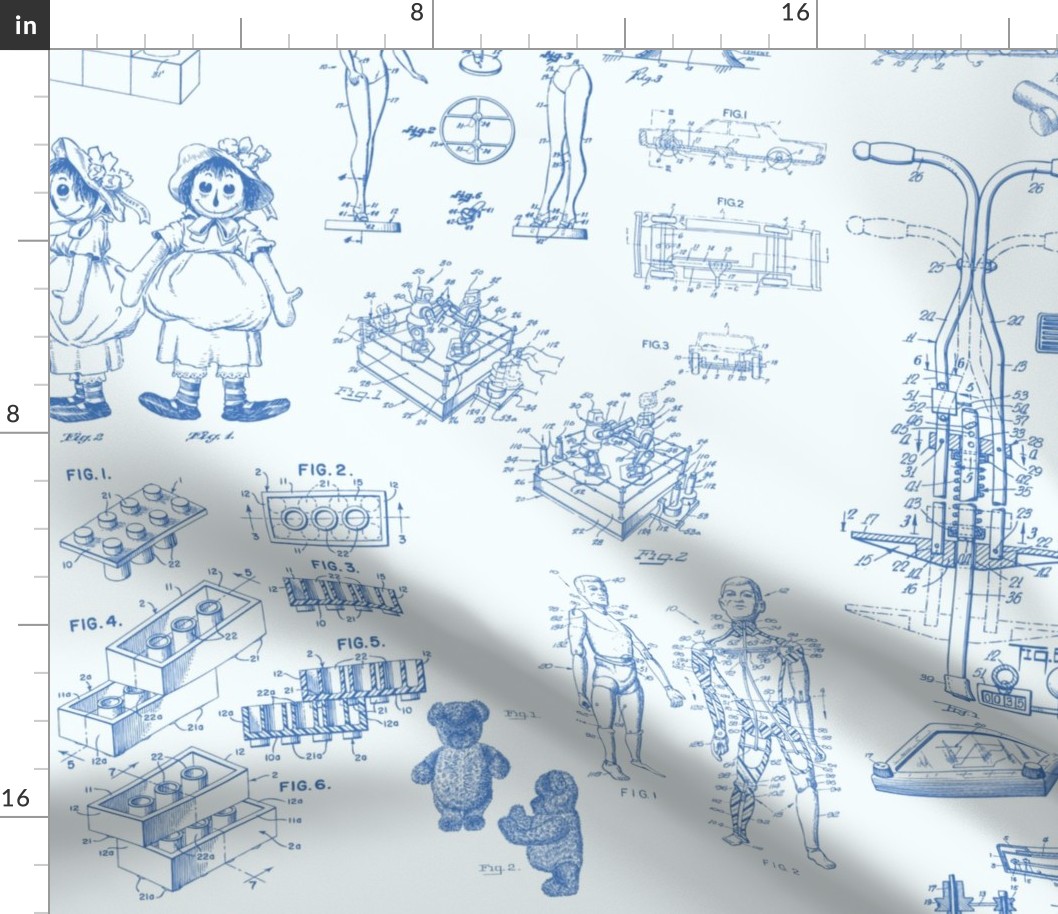
The need for clarity and precision is crucial when it is about patents. Patent applications are often difficult to understand due to being filled with technical jargon, lengthy descriptions, and complex inventions. This is where patent drawings step in as unsung heroes. They function as a visual bridge between intricate technical information and a comprehensible illustration of the idea.
Imagine you’ve invented a groundbreaking device that has many components and you’d like to safeguard your intellectual property. It may not be possible to explain your invention in depth with the aid of a written description. A well-crafted patent sketch will be of great assistance. It is an image that is in line with the written description. It gives an easy, concise, and precise description of your idea.
Behind every amazing patent drawing is a skilled illustrator, an artist with the ability to bring ideas to life through visual artistry. They’re not just art professionals, but professionals who have been trained to translate complex ideas into visual form.
Illustrators are vital when it comes to patents in order to ensure that inventions are accurately represented. Illustrators have to convey the intricate technical information of an invention into images that are easily understood by lawyers, patent examiners and other people who are reviewing the application. Illustrators can provide the best visual representation of any kind of invention.
The Accuracy of Draftsmen
Draftsmen are the untold heroes of the world of patents. They strive hard to produce drawings that comply with strict guidelines established by the USPTO as well as other patent offices around globe. Draftsmen are the unsung heroes of the patent world, diligently making drawings that follow the strict guidelines outlined by the United States Patent and Trademark Office (USPTO) as well as other patent offices around the globe.
Draftsmen are professionals with a wealth of experience that excel at creating technical drawings that meet the specific requirements of patent applications. They must be meticulously thorough, well-labeled, and adhere to the standard specifications of the patent office. It’s not only about the appearance of their work. they also have to ensure that all regulations are met.
Wide Range of Services
Patent drawing and illustration services include a wide range of options that can be customized to meet the requirements of inventors and businesses as well as intellectual property professionals. These are the primary services offered in this area:
Utility Drawings are vital in illustrating how an invention works, and the way it’s made.
Design Drawings: When it comes to protecting the aesthetic or decorative aspects of an invention, drawings for design are important. Design drawings focus more on aesthetics than functionality.
Trademark Drawings for trademarks. Illustrators are able to create trademark sketches for businesses who wish to safeguard their trademarks and logos. These drawings capture the essence of a brand’s identity.
Trade Dress Drawings: Much like trademark drawings, these drawings draw attention to the unique visual features of a packaging, product or brand. They aid businesses in protecting their distinctive look.
Patent Drawing Services frequently incorporate photos into patent applications when photos of real-world inventions or ideas are required.
The Strict Guidelines: How to navigate them
Patent drawings are not something to take lightly. The USPTO and other patent offices have strict guidelines to be followed. These guidelines establish the format, size and style of patent illustrations, ensuring consistency across all applications.
Drawings, for instance, must be in black and white with very little shading. Line thickness, numbering, and labeling standards must adhere to specific guidelines to ensure consistency and understanding. Failure to follow these guidelines could cause delays in the approval process of your patent application or even rejection.
Conclusion
In the field of patents, the interplay of words and visuals is essential. Patent drawings and illustrations are used to make written descriptions an easier to comprehend and understand form. Behind these drawings are skilled professionals, such as draftsmen and illustrators, who transform complicated ideas into visual representations.
Illustration and patent drawing services can be invaluable to both inventors who want to protect their ideas or for businesses that want to safeguard their brand’s identity. These services cover a broad spectrum of services, ranging from utility drawings to trademark illustrations, ensuring that every aspect of innovation is properly illustrated.
Artistic talent in patent drawings and illustration goes beyond aesthetics. It’s about communicating complicated ideas using concise and clear images that can be useful in patents. In this sphere where a patent’s design can be the difference between success and obscurity the power of a well-crafted patent drawing is unquestionable.