The field of emergency medical services is a critical one, and a career in it can be rewarding. It’s about providing life-saving assistance. If you’re thinking of being an Emergency Medical Technician (EMT), or even making the leap to the highly regarded job of a paramedic then you’ll be stepping into a career with high growth prospects and a need for highly trained professionals. In this article, we’ll guide you through the steps to become an EMT and paramedic, exploring the various training options available, including DSHS approved EMS training course.
Understanding the Function and Role of EMTs and Paramedics
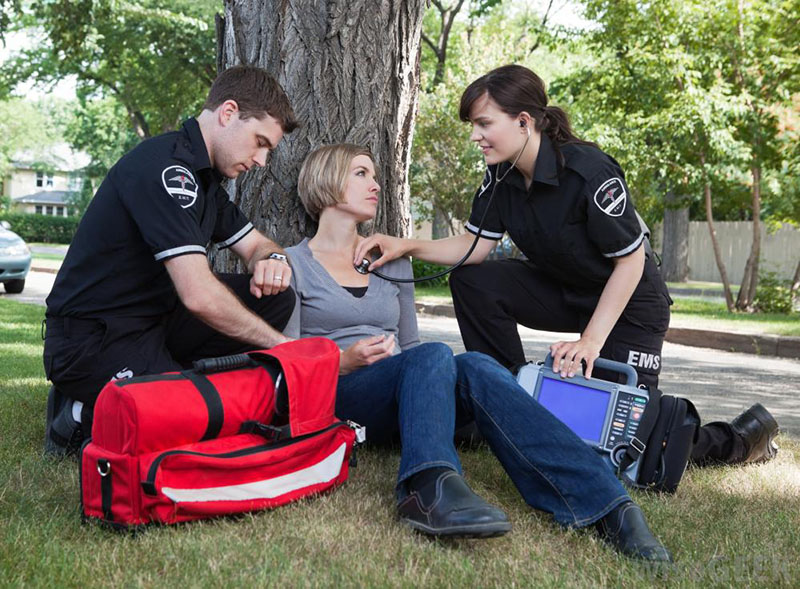
First responders emergency medical Technicians and Paramedics are able to provide immediate medical attention in a crisis situation. They are trained to evaluate patients, administering essential medical procedures and transporting patients safely to medical centers for further treatment. Paramedics and EMTs play a crucial role in stabilizing patients in crucial times, making split-second choices, and providing compassionate care in times of anxiety.
Step 1: Becoming a EMT
You must complete the education and training course, which may vary depending on the level of certification you want to attain. There are three different levels of EMT certification.
1. EMT Basic (EMT B) The EMT Basic certification is an entry-level certification that needs between 100 and 150 hours of instruction. EMT-Bs learn about basic medical treatment, including CPR as well as bleeding management as well as basic airway control.
2. EMT-Intermediate (EMT-I) EMT-I needs an additional level of training and may vary between states. The level is able to be combined with EMT B in certain states, but it may also require between 200 and 400 hours of training. It can also comprise the use of intravenous treatments and expanded capabilities in medical.
3. EMT Paramedic (EMT P): EMT-P is the highest level of certification available to EMTs. The education required to earn this credential typically takes between 1,000 and 1,800 hours. Paramedics are skilled in medical procedures like administering medication, reading EKGs, and managing airways.
Step 2: Requiring paramedic certification
In order to become a Paramedic, you need to first pass the EMTB or EMTI levels and get some practical experience. After that, you’ll be able to enroll in the paramedic certification program that takes between two and one year. Through the rigorous training, you will learn about advanced medical issues. In addition, you’ll acquire the necessary knowledge and skills to handle critical circumstances.
Step 3: Examining EMT Training Options:
There are a variety of options available when it comes to EMT certification, depending upon the level you’d like to achieve. Community medical trade schools and colleges generally offer EMT training at all levels of certification. These programs offer a blend of classes, hands-on instruction and experience in clinical and field locations.
If you want a comprehensive and in-depth EMT program, which can give you a degree from the college or university of your choice and possibly offer EMT training on the EMT-Paramedic levels. These courses provide an comprehensive knowledge of emergency medical procedures, providing you a broader perspective on patient care and medical decision-making.
Step 4: Step 4: Ensure DSHS approved EMS training:
It is crucial for those who are aspiring to become EMTs or paramedics to be sure that the training program they select has been approved by DSHS. The Department of State Health Services approves EMS courses to make sure that they adhere to the highest standards for competency and education. When you enroll in an DSHS approved EMS training program, you will be able to rest sure that you will receive high-quality instruction and that you meet the necessary requirements for certification.
Paramedics and EMTs are highly regarded professions. As first emergency responders, EMTs and paramedics play vital roles in saving lives as well as providing prompt medical treatment in emergency situations. If you’re aspiring EMTs or paramedics who want to start this life-saving endeavor they must complete the necessary education and training programs. The applicants can choose from a wide range of EMT programs, depending on the certification level they wish to obtain. These include medical schools, community colleges, and university courses.
In addition to evaluating the many training options available, you should also ensure that the EMS training program is DSHS certified. You can be confident that the education you receive is in compliance with all the requirements to get EMT or paramedic accreditation.
As the demand for qualified emergency medical professionals is on the rise making it a great time to enter the field of EMS offers abundant job opportunities and the opportunity to make a a profound impact on the lives of others. If you are an EMT Basic or are looking to become a paramedic, your dedication to providing critical care will reward you with an enjoyable and fulfilling job in emergency medical services.